

Businesses that depend on fuel for daily operations need a reliable partner to keep their equipment, vehicles, and facilities running efficiently. Selecting the right oil company is not just about purchasing fuel; it is about finding a supplier that understands operational needs, provides consistent service, and supports long-term business goals.
Table of Contents
- Why Does Choosing the Right Oil Company Matter?
- Key Factors to Consider When Selecting an Oil Company
- How a Reliable Fuel Partner Benefits Businesses
- Why Businesses Should Avoid Choosing a Supplier Based Only on Price
- How to Evaluate a Potential Fuel Partner
- The Role of a Diesel Supplier in Business Operations
- Why Businesses Trust Professional Fuel Partners
- Conclusion
From transportation fleets to construction companies and industrial operations, fuel availability plays a major role in productivity. A dependable supplier can help businesses reduce downtime, maintain equipment performance, and manage fuel expenses more effectively.
Choosing the right partner requires careful evaluation of product quality, delivery options, industry experience, and customer support. The right decision can create a stronger fuel management strategy and improve overall business efficiency.
Why Does Choosing the Right Oil Company Matter?
Fuel is a critical resource for many businesses. Whether a company operates commercial vehicles, heavy machinery, generators, or industrial equipment, a steady fuel supply is essential for uninterrupted operations.
A professional oil company provides more than fuel products. It delivers reliability, technical knowledge, and services designed around business requirements. Working with the wrong supplier may lead to delayed deliveries, inconsistent product quality, and unexpected operational challenges. The right supplier helps businesses maintain better control over fuel management while ensuring their operations continue without unnecessary interruptions.

Key Factors to Consider When Selecting an Oil Company
Choosing a fuel partner requires evaluating several important factors. Businesses should look beyond pricing and consider the overall value a supplier provides.
1. Fuel Quality and Product Reliability
High-quality fuel supports better engine performance and helps reduce maintenance problems. A trusted supplier follows proper storage, handling, and distribution practices to maintain product quality. Businesses should choose an oil supplier that provides dependable fuel solutions and follows industry standards. Consistent quality helps protect equipment investments and improves operational efficiency.
2. Reliable Delivery Services
Fuel shortages can quickly affect business productivity. A dependable supplier should offer flexible delivery options that match a company’s fuel consumption needs. A professional supplier understands that every industry has unique fuel requirements and provides solutions tailored to specific operational needs.
Some businesses may need scheduled deliveries, while others may require bulk fuel supply for large-scale operations. A reliable gasoline supplier helps businesses maintain fuel availability, improve planning, and reduce interruptions caused by unexpected shortages.
3. Industry Experience and Expertise
Experience is an important factor when selecting a fuel partner. Companies with strong industry knowledge can provide better recommendations based on equipment types, usage patterns, and operational requirements. An experienced supplier understands fuel challenges faced by different industries and can provide practical solutions that support business growth.
4. Customer Support and Service Quality
Strong customer support separates dependable suppliers from ordinary providers. Businesses need a partner that responds quickly, communicates clearly, and provides assistance when issues arise. A reliable supplier should focus on building long-term relationships rather than simply completing transactions.
5. Flexible Fuel Solutions
Every business has unique fuel requirements. A small commercial operation may have different needs compared to a large transportation company or industrial facility. The best suppliers offer customized solutions, including delivery schedules, fuel storage options, and products suitable for different applications.
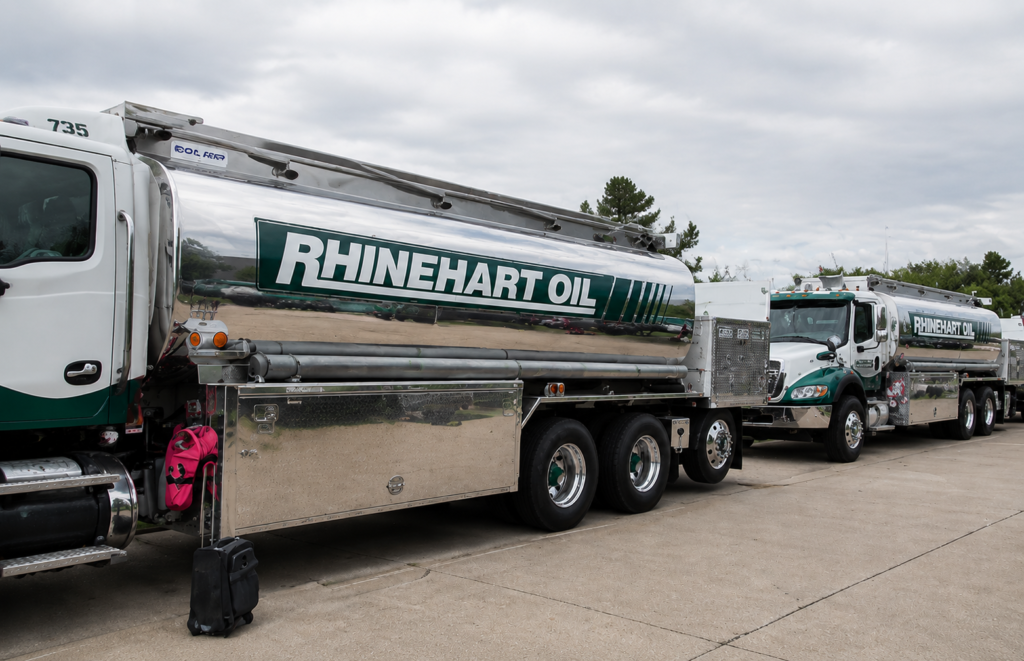
How a Reliable Fuel Partner Benefits Businesses
Working with the right supplier provides several advantages that go beyond fuel availability.
Reduces Operational Downtime
Fuel interruptions can stop vehicles, machinery, and equipment from operating. A dependable supplier helps businesses avoid delays by maintaining consistent supply and dependable delivery schedules.
Improves Cost Management
A trusted supplier can help businesses plan fuel purchases more efficiently. Predictable deliveries and better inventory management allow companies to control expenses.
Supports Equipment Performance
Using quality fuel helps maintain engine efficiency and reduces the risk of performance issues. Businesses that rely on heavy equipment and commercial vehicles benefit from maintaining a consistent fuel source.
Provides Professional Guidance
Experienced suppliers understand market conditions, fuel requirements, and industry challenges. Their knowledge can help businesses make informed decisions about fuel management.
Why Businesses Should Avoid Choosing a Supplier Based Only on Price
Price is an important consideration, but it should not be the only deciding factor. The lowest-cost option may not always provide the reliability, service quality, or product consistency a business needs. A supplier with slightly higher pricing may provide better value through dependable deliveries, quality products, and stronger customer support.
Businesses should consider the total value offered, including:
- Product reliability
- Delivery performance
- Customer service
- Industry experience
- Long-term partnership benefits
Evaluating overall value helps businesses avoid costly disruptions caused by unreliable supply, poor service, or inconsistent fuel quality.
Want to locate a dependable fuel partner near your business? Check out Rhinehart Oil’s location to learn about fuel services, customer support options, and solutions created for ongoing operational needs.
How to Evaluate a Potential Fuel Partner
Before selecting a supplier, businesses should ask important questions about their services and capabilities.
Consider reviewing:
- Years of industry experience
- Available fuel products
- Delivery coverage and scheduling options
- Customer reviews and reputation
- Safety and quality practices
- Ability to support changing business needs
A thorough evaluation helps businesses choose a partner that aligns with their operational goals.
The Role of a Diesel Supplier in Business Operations
Many industries depend on diesel-powered vehicles and equipment, including transportation, agriculture, construction, and logistics. A dependable diesel supplier helps businesses maintain consistent fuel availability for daily operations.
Reliable diesel supply supports fleet management, equipment performance, and productivity. Businesses should work with suppliers that understand diesel requirements and provide dependable service.
Why Businesses Trust Professional Fuel Partners
Professional suppliers focus on building long-term relationships with customers. They understand that businesses need more than a product; they need dependable support that helps them operate efficiently. Rhinehart Oil provides businesses with reliable fuel solutions designed to support commercial and industrial requirements.
With a focus on quality service and customer needs, the company helps organizations maintain consistent fuel access. A strong supplier partnership allows businesses to focus on their core operations while knowing their fuel requirements are handled by experienced professionals.
Frequently Asked Questions
What should businesses look for when choosing a fuel supplier?
Businesses should consider reliability, product quality, delivery options, customer service, and industry experience before selecting a supplier.
How can a supplier improve business operations?
A dependable supplier helps maintain fuel availability, reduce interruptions, and support efficient daily operations.
Why is fuel quality important for commercial equipment?
Quality fuel helps maintain equipment performance, supports efficiency, and can reduce potential maintenance issues.
How do businesses determine their fuel requirements?
Companies should evaluate equipment usage, operating schedules, storage capacity, and future growth plans to determine their needs.
What makes a long-term supplier partnership valuable?
A strong partnership provides consistent service, better communication, and reliable support as business requirements change.
Conclusion
Choosing the right supplier is an important decision for any business that depends on fuel. A dependable oil company provides more than fuel products by offering quality, reliability, flexible solutions, and professional support.
Businesses that invest time in selecting the right partner can improve operational efficiency, reduce disruptions, and create a stronger fuel management strategy. The right supplier becomes a valuable resource that supports long-term success.