
Table of Contents
- What Is a Vaccination Booster?
- How Often Do Dogs Need Vaccination Boosters?
- Which Lifestyle Factors Affect a Dog’s Schedule?
- How Often Do Cats Need Vaccination Boosters?
- Do Indoor Cats Still Need Boosters?
- What Happens If a Booster Is Overdue?
- Why a Health Exam Matters Before Vaccination
- What Reactions Can Occur After a Booster?
- How Can Pet Owners Keep Vaccination Records Organized?
- Frequently Asked Questions
- Conclusion
Vaccinations help protect dogs and cats from serious infectious diseases. However, the first vaccine does not always provide lifelong protection. Many pets need an initial series followed by booster doses at recommended intervals.
There is no single vaccination schedule that fits every pet. The right timing depends on the animal’s age, health, vaccine history, lifestyle, and risk of exposure. The type of vaccine and local legal requirements also affect when another dose is due.
Pet owners searching for “pet vaccinations near me” should choose a veterinary practice that reviews these factors before recommending vaccines. For families in Encino and surrounding San Fernando Valley communities, a personalized plan helps provide suitable protection without relying on an identical schedule for every animal.
What Is a Vaccination Booster?
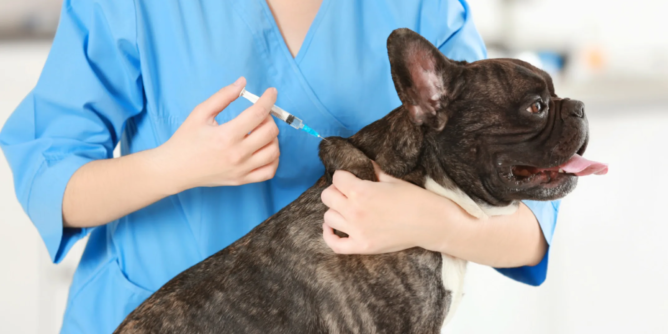
A booster is an additional vaccine dose given after the first vaccination or initial series. It reminds the immune system how to respond to a specific disease.
Puppies and kittens usually receive several doses because antibodies passed from their mothers can interfere with early vaccines. These maternal antibodies decrease over time, but the timing differs for each animal. A series of properly timed doses helps reduce gaps in protection.
After the initial series, some vaccines may require a booster one year later. Future boosters may be given every year or every three years, depending on the vaccine, product label, health risk, and applicable law.
Annual wellness visits remain important even when a pet is not due for every vaccine. The veterinarian can review health changes and decide whether the existing schedule still fits.
How Often Do Dogs Need Vaccination Boosters?
Dogs receive core vaccines that protect against diseases considered serious or widespread. They may also receive lifestyle-based vaccines when their activities increase exposure.
The combination vaccine commonly used for distemper, adenovirus, and parvovirus is usually given as a puppy series. A booster is often administered within one year after the series. Following that dose, many adult dogs receive boosters at three-year intervals.
Rabies timing depends on local law and the vaccine product used. A dog may receive a one-year or three-year rabies vaccine after the required initial doses. The veterinary team will explain which schedule applies.
Other vaccines may need annual boosters when the dog remains at risk. These can include vaccines for leptospirosis, Bordetella, canine influenza, or Lyme disease. Recommendations can vary based on lifestyle and geographic exposure. A dog vaccination clinic near you should assess your dog’s daily routine before recommending optional vaccines.
Which Lifestyle Factors Affect a Dog’s Schedule?
Two dogs of the same age may need different vaccination plans. An indoor dog with limited contact with other animals may have different risks from a dog that frequently visits public places.
The veterinarian may ask whether your dog:
- Visits dog parks, daycare, or grooming facilities
- Stays at boarding facilities
- Travels outside Encino
- Hikes or spends time near wildlife
- Drinks from outdoor water sources
- Has contact with unfamiliar dogs
- Lives with other animals
Dogs living in Encino may accompany their owners on walks, hikes, road trips, or visits across Los Angeles. These activities may influence recommendations for Bordetella, leptospirosis, influenza, or other vaccines.
If you need dog vaccination near you, share accurate details about your pet’s lifestyle. This helps the veterinarian recommend vaccines based on real exposure rather than a general checklist.
How Often Do Cats Need Vaccination Boosters?
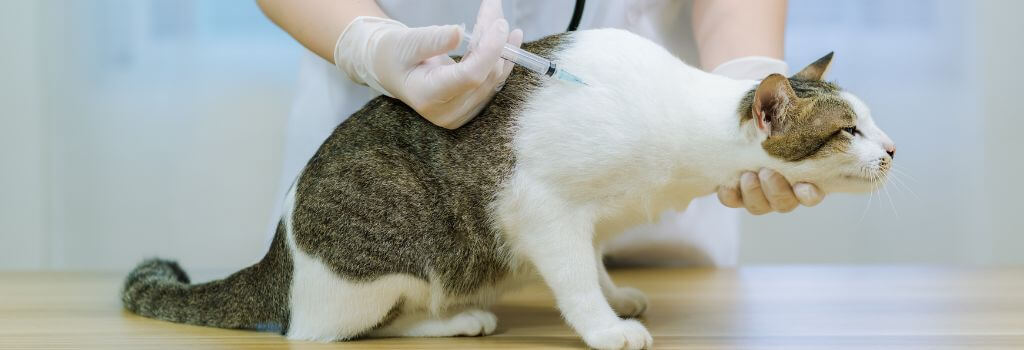
Cats also receive core and risk-based vaccines. The common feline combination vaccine protects against panleukopenia, herpesvirus, and calicivirus. Kittens usually receive a series of doses, followed by a booster after the initial series. Many adult cats then receive this combination vaccine at longer intervals based on their risk and vaccine history.
Rabies vaccination is also important for cats. The schedule depends on the vaccine product and local requirements. Some rabies vaccines require yearly doses, while others may provide protection for a longer period.
Feline leukemia vaccination may be recommended for kittens and cats that go outdoors or have contact with cats of unknown health status. Continued boosters depend on ongoing exposure. Pet owners searching for cat vaccination near them should tell the veterinarian whether their cat lives indoors, goes outside, stays in boarding facilities, or lives with other cats. These details help determine which boosters remain useful.
Do Indoor Cats Still Need Boosters?
Indoor cats generally have fewer exposure risks than outdoor cats, but they are not completely protected from infectious disease.
A cat may escape through an open door or window. New pets can also bring infections into the home. Wildlife may enter garages, patios, or living spaces. Some viruses can be carried indoors on contaminated objects.
Indoor cats may also need current vaccination records for boarding, grooming, travel, or emergency shelter arrangements. Rabies requirements may still apply regardless of whether the cat normally goes outside.
A veterinarian can decide which vaccines remain appropriate and whether certain risk-based vaccines can be reduced or removed from the schedule. An appointment at a cat vaccination centre near you should include this individual assessment.
What Happens If a Booster Is Overdue?
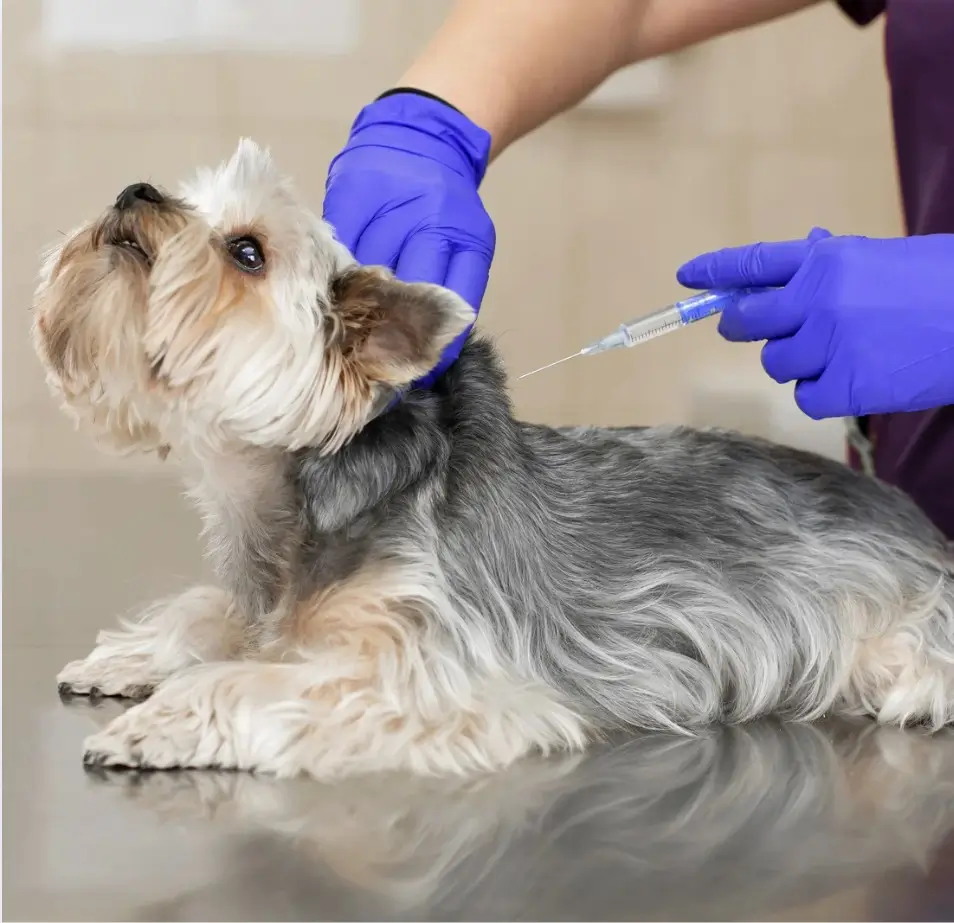
An overdue booster does not always mean that the entire vaccine series must be restarted. The next step depends on the vaccine, how late it is, and whether the pet completed the original series.
Bring previous vaccination records to the appointment whenever possible. The veterinarian will review the dates, vaccine types, and your pet’s current health. If records are unavailable, a new plan may be recommended to provide reliable protection.
Avoid delaying a veterinary visit because you are worried about missing the correct date. A veterinarian in Encino can help update the schedule safely.
Until the plan is reviewed, limit your pet’s exposure to unfamiliar animals, boarding facilities, and other higher-risk settings.
Why a Health Exam Matters Before Vaccination
Vaccination appointments are also an opportunity to assess your pet’s general health. The veterinarian may check the heart, lungs, eyes, ears, teeth, skin, weight, joints, and abdomen.
Tell the veterinary team if your pet has recently experienced:
- Vomiting or diarrhea
- Coughing or sneezing
- Loss of appetite
- Unusual tiredness
- Fever or pain
- A previous vaccine reaction
- Changes in medication
The veterinarian may delay vaccination if a pet is currently ill or needs further evaluation. The decision depends on the condition and the urgency of vaccination.
Encino Pet Hospital provides wellness care, diagnostic services, and vaccination guidance for dogs and cats. Dr. Farahany and the veterinary team can review each pet’s health before creating or updating a preventive care plan.

If it’s time for your dog’s routine check-up or if you’re looking for a trusted veterinary doctor in Encino, visit Encino Pet Hospital and Emergency today.
What Reactions Can Occur After a Booster?
Many pets return to normal activities after vaccination. Some may experience mild tiredness, tenderness at the injection site, a lower appetite, or a slight fever for a short period.
Ask the veterinarian which reactions are expected and how long they may last. Keep your pet comfortable and avoid intense activity for the period recommended by the clinic.
Seek urgent veterinary help if your pet develops facial swelling, breathing difficulty, repeated vomiting, collapse, severe weakness, or rapidly worsening symptoms. If a reaction occurs, make sure it is added to the medical record before future vaccination decisions. A vet clinic in Encino can explain what to monitor and whether a different vaccine plan may be appropriate at the next visit.
How Can Pet Owners Keep Vaccination Records Organized?
Keep a digital and printed copy of your pet’s vaccination history. Records may be required for boarding, daycare, grooming, travel, training classes, or housing.
Your file should include the vaccine name, date given, due date, veterinary provider, and any previous reaction. Set reminders before each booster is due.
Regular pet wellness exams in Encino make it easier to review vaccines alongside dental health, parasite prevention, nutrition, behavior, and age-related concerns. Preventive care works best when these needs are considered together.
Frequently Asked Questions
Do all pet vaccines require yearly boosters?
No. Some vaccines are given annually, while others may be given every three years after the initial series. Timing depends on the vaccine and your pet’s individual needs.
Can my dog receive several vaccines during one visit?
Many healthy dogs can receive multiple vaccines during one appointment. The veterinarian may adjust the plan based on age, size, health history, and previous reactions.
Does an indoor cat need a rabies booster?
Indoor cats may still require rabies vaccination based on local rules and veterinary recommendations. Indoor living does not remove every possible exposure.
Should senior pets continue receiving boosters?
Age alone does not automatically end vaccination. A veterinarian should consider the senior pet’s health, lifestyle, previous vaccines, and exposure risk.
How can I find affordable pet vaccinations near me?
Ask what the appointment includes, which vaccines are necessary, and whether any are optional. Choosing vaccines based on medical need is more useful than comparing prices alone.
Conclusion
Dogs and cats need vaccination boosters at different intervals. Some are given yearly, while others may be scheduled every three years. Age, lifestyle, medical history, previous doses, local requirements, and vaccine type all influence the timing. Encino Pet Hospital helps families develop preventive care plans for puppies, kittens, adult pets, and seniors. Regular veterinary visits can keep vaccination records current while supporting your pet’s overall health.