
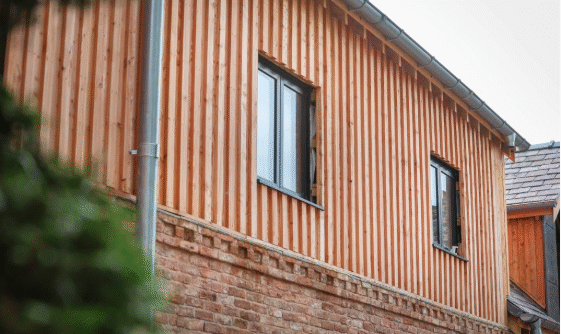
Timber cladding, also known as wood cladding, has long been a staple in traditional and contemporary architecture. Used primarily as an external finish, timber cladding provided buildings with a warm, natural appearance and timeless aesthetic appeal. Before the rise of advanced composite materials and low-maintenance alternatives, timber was the go-to solution for architects and builders seeking both functionality and beauty.
This article explores the historic significance of timber cladding, its advantages and challenges, and how it shaped building practices of the past.
Table of Contents
The Popularity of Timber Cladding in Traditional Architecture
Historically, timber cladding was widely used in residential, commercial, and public buildings. From rustic cottages to modernist designs, it served both structural and decorative purposes. Its visual appeal made it a popular choice for facades, gables, garden buildings, and even interior walls in some cases.
Aesthetic Appeal
Timber cladding offered a unique, organic texture that couldn’t be replicated by synthetic materials. The natural grain, color variation, and ability to age gracefully (often turning a silvery grey over time) made it a favorite among architects and homeowners alike.
Architectural Versatility
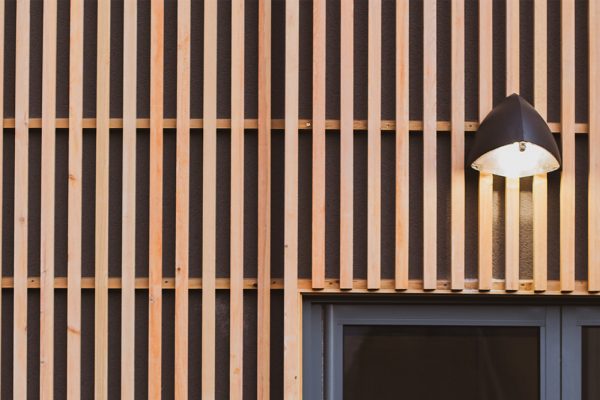
Available in a variety of profiles—such as shiplap, tongue and groove, and board-and-batten—timber cladding allowed for creative freedom in design. It could be installed horizontally, vertically, or diagonally, providing designers with options to express a building’s character.
Materials and Types of Wood Used in Cladding
Different regions favored different species of wood, often chosen based on local availability, durability, and resistance to the elements.
- Western Red Cedar: Known for its resistance to decay and beautiful reddish tones, cedar was often the top choice.
- Larch: Durable and relatively affordable, larch was frequently used in colder climates.
- Oak: A hardwood with a rich grain, oak added a touch of elegance and longevity.
- Softwoods: Pine and spruce were commonly used due to their availability, though they required more treatment for external use.
These timber types were often treated with oils, stains, or paints to improve their lifespan and resistance to rot, insects, and moisture.
Benefits of Traditional Timber Cladding
Despite the maintenance needs, timber cladding offered several compelling advantages:
- Natural Insulation: Wood has inherent insulating properties, helping regulate indoor temperatures and improving energy efficiency.
- Environmental Benefits: As a renewable resource, timber cladding was seen as an early example of sustainable building material—especially when responsibly sourced from FSC-certified forests.
- Biophilic Design: Timber helped strengthen the connection between built environments and nature, supporting wellness through biophilic design principles.
- Customizability: Wood could be cut, shaped, and finished in countless ways, making it highly customizable for any design vision.
What Makes the Best Hatton Garden Jewellers Stand Out?
Why Hatton Garden Diamonds Are the Go-To Destination for Engagement Rings
Upgrade Your Workspace with Top Modern Office Furniture
What Are Some Of The Most Popular T-Shirt Colors And Styles?
Challenges and Limitations of Timber Cladding
While timber cladding had many benefits, it also came with notable drawbacks—especially when compared to modern cladding alternatives available today.
- Maintenance Requirements
Timber needed regular upkeep, including cleaning, staining, or repainting every few years to maintain appearance and protect it from weathering. Without care, wood could warp, split, or fade prematurely. - Vulnerability to Moisture and Pests
In damp or humid climates, untreated or poorly maintained timber was susceptible to rot, mold, and insect infestations. Termites and wood-boring beetles could cause significant damage if not addressed early. - Fire Safety Concerns
Natural timber is combustible. In areas with strict fire codes or high wildfire risk, the use of timber cladding often required additional fire-retardant treatments, which increased costs and maintenance complexity. - Durability in Harsh Climates
Timber cladding struggled in environments with extreme weather conditions. Over time, repeated exposure to UV radiation, rain, snow, and freeze-thaw cycles could degrade even high-quality wood.
Legacy and Influence on Modern Cladding Systems
Though timber cladding has been largely overtaken by modern alternatives like fiber cement, aluminum, PVC, and composite cladding, its influence remains significant. Many contemporary cladding systems are designed to mimic the look of natural timber, combining aesthetics with improved performance and lower maintenance.
In some sustainable architecture projects today, timber is still used—especially when sourced responsibly. Engineered woods and modified timbers, such as thermally treated wood or cross-laminated timber (CLT), have extended the possibilities of using wood in exterior cladding while overcoming traditional drawbacks.
FAQs
What is timber cladding?
Timber cladding is a form of exterior wall covering made from wooden boards or panels. It’s used to provide both aesthetic appeal and protection for buildings, often giving structures a natural, warm, and textured look.
What are the benefits of timber cladding?
Timber cladding enhances the natural beauty of a building, provides excellent insulation, is eco-friendly, and has a long lifespan when properly maintained. It also helps with soundproofing and can increase the overall value of a property.
How long does timber cladding last?
With proper care and maintenance, timber cladding can last up to 40-60 years. The lifespan varies depending on the type of wood used, weather conditions, and the level of maintenance
What types of wood are commonly used for timber cladding?
Common types of wood used for timber cladding include cedar, larch, pine, oak, and redwood. These woods are chosen for their durability, aesthetic qualities, and ability to withstand the elements.
What are the maintenance requirements for timber cladding?
Timber cladding requires regular maintenance to ensure its longevity. This includes cleaning the surface to remove dirt and debris, checking for signs of rot or damage, and reapplying protective treatments like stains or oils to preserve the wood’s appearance and durability.
Timber Cladding Then and Now
Timber cladding represents a critical chapter in the history of architecture and construction. Once the material of choice for its beauty, availability, and workability, timber helped define the look of countless homes and buildings across the world. While modern alternatives now dominate the cladding industry due to enhanced durability and reduced maintenance, the charm and character of timber continue to inspire.
Architects today often blend the natural aesthetic of wood with modern materials to capture the best of both worlds. Whether used in heritage restorations or cutting-edge eco-builds, timber’s legacy lives on in the evolving world of cladding solutions.